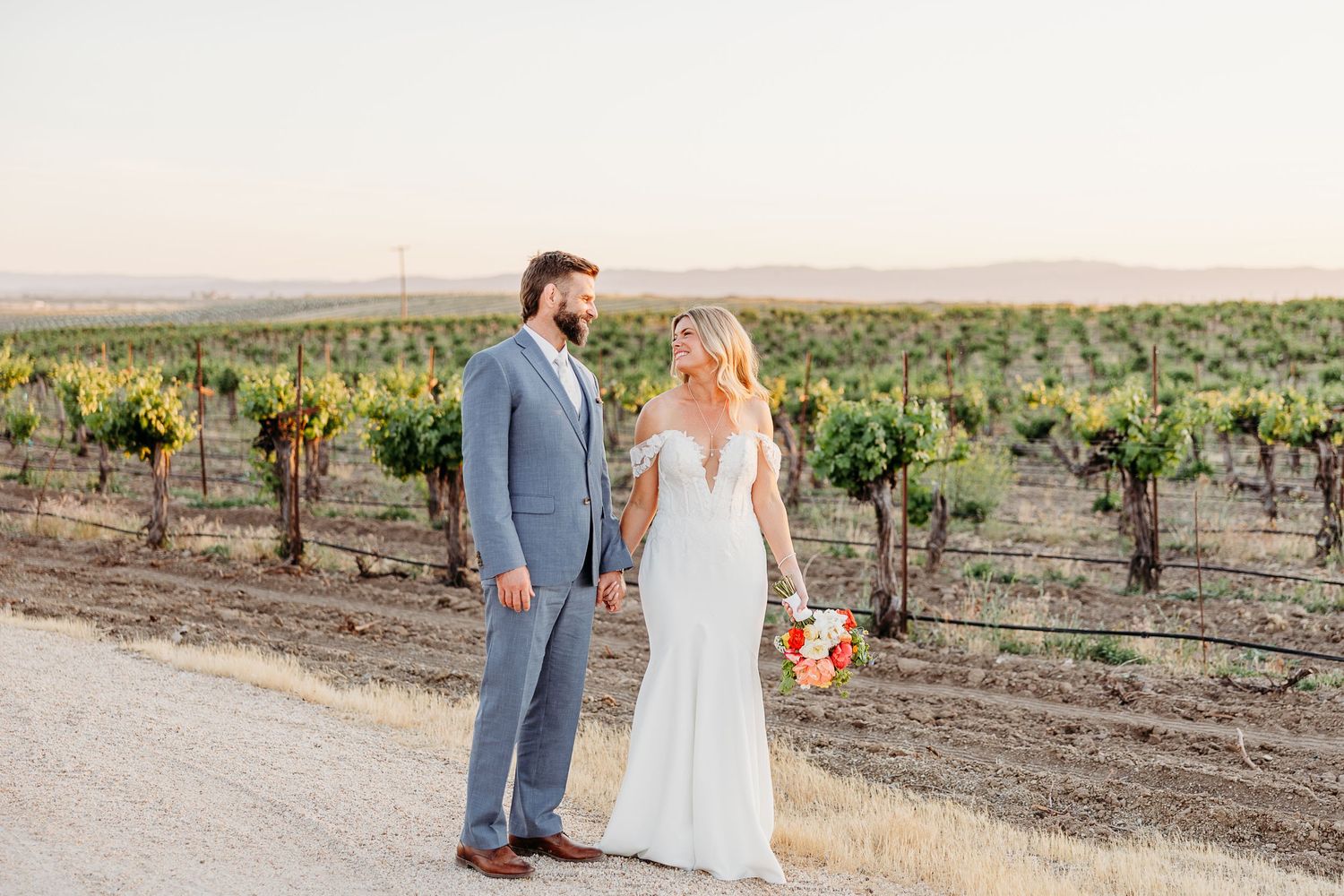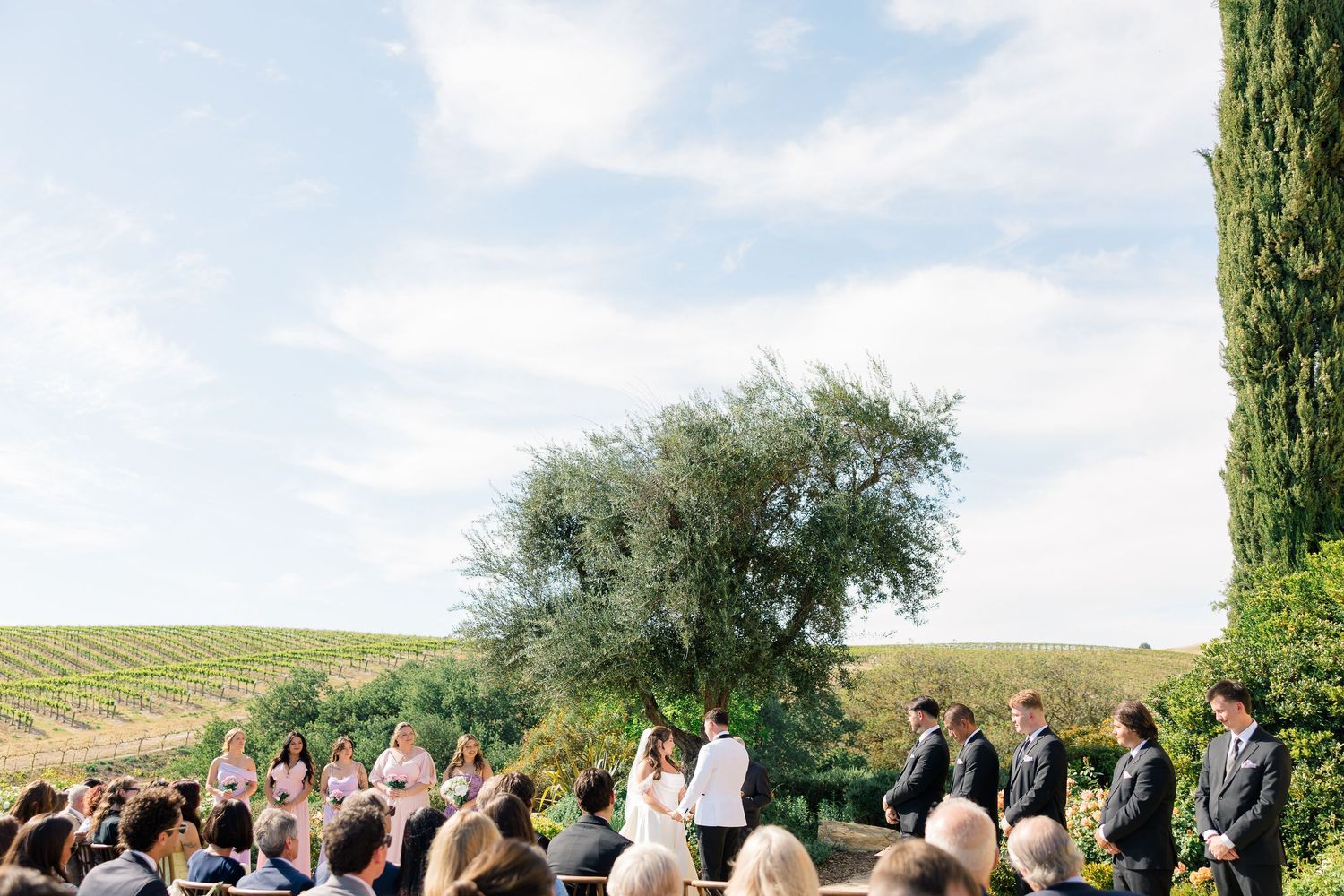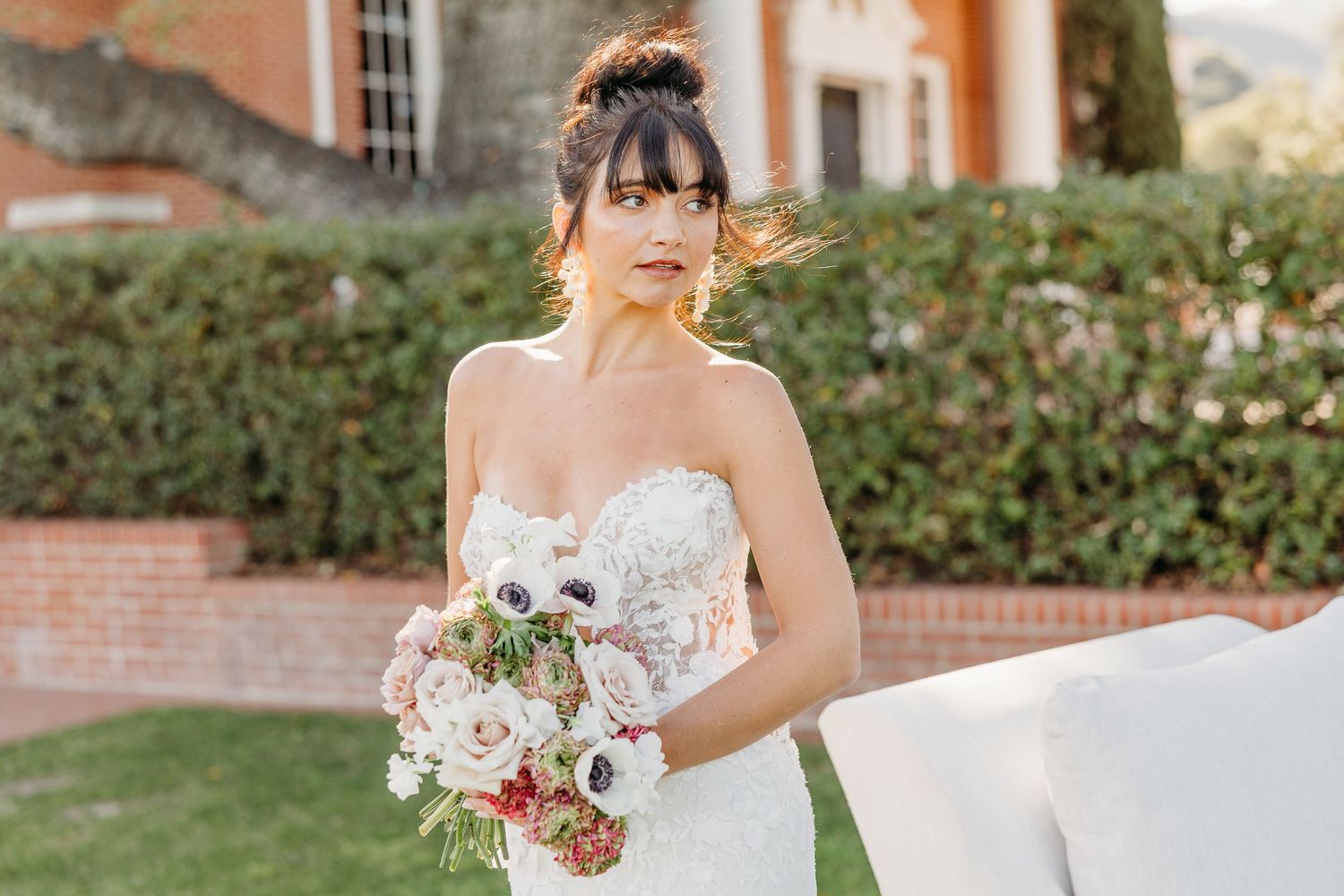
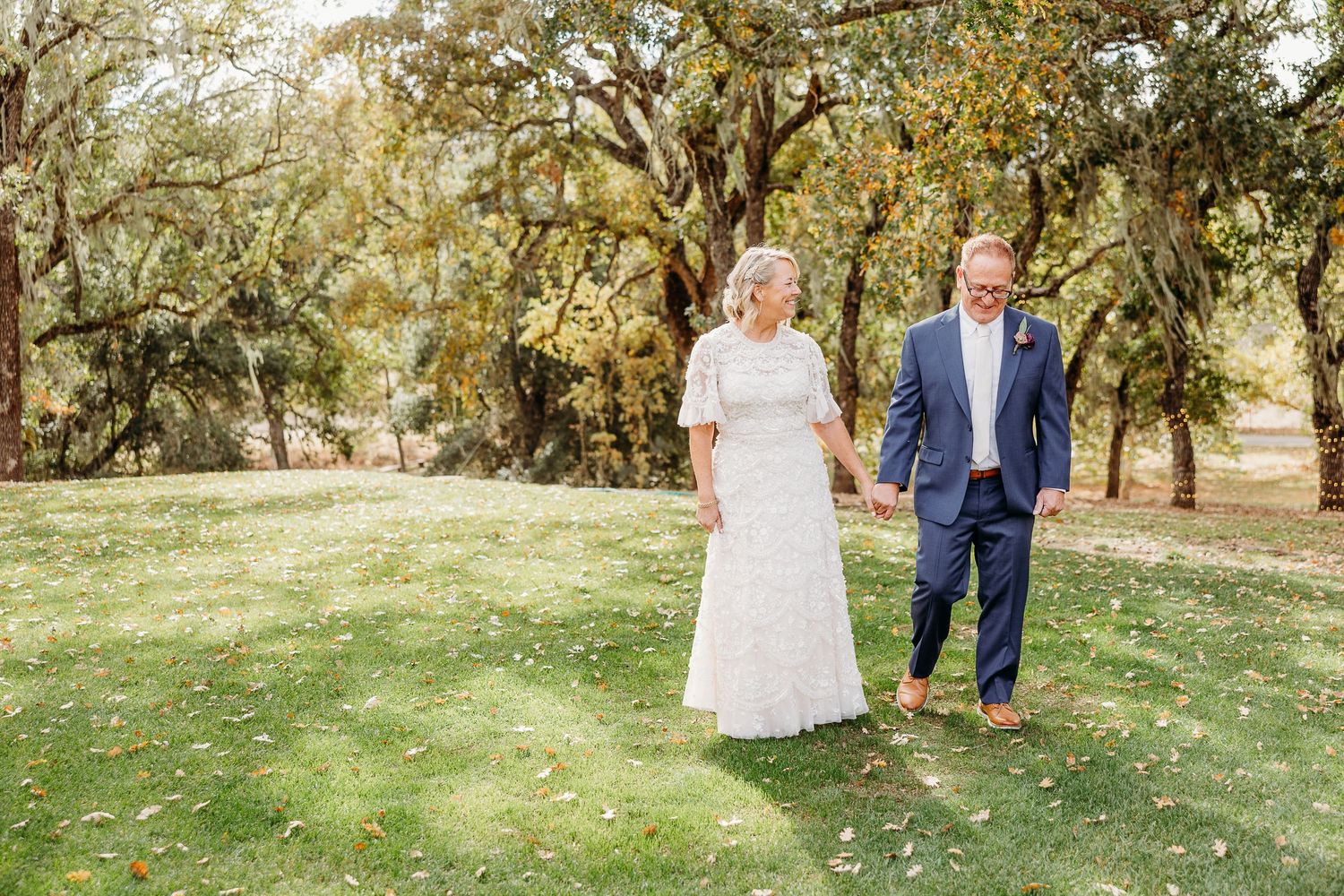
Paso Robles Wedding Day Timelines by Season
When couples start planning their wedding day timeline, one of the biggest mistakes I see is assuming there is one perfect template that works year-round. In Paso Robles and San Luis Obispo County, timelines change a lot depending on the season. The amount of daylight, the timing of sunset, the overall temperature, and the flow of the day all affect how everything should be structured. Paso Robles is especially popular for vineyard and outdoor weddings, and local tourism resources consistently highlight the region’s wine-country settings, outdoor venues, and year-round wedding appeal.
As a Paso Robles wedding photographer, I usually guide couples toward a timeline that protects the best light, leaves room to breathe, and helps the day feel smooth instead of rushed. Whether you are getting married at Villa San Juliette, Bella Terra, Terra Mia, Hartley Farms, Willow and Oak, Oak and Vine, or elsewhere in Paso Robles or San Luis Obispo County, your timeline should reflect the season and the kind of experience you want to have.
Why wedding timelines change throughout the year
The biggest reason timelines shift is light. Around the June solstice, Paso Robles has its longest days of the year, and the latest sunset comes at the end of June. Around the December solstice, the day is about 4 hours and 50 minutes shorter, and the earliest sunset arrives in early December. That difference changes everything from ceremony timing to when couple portraits should happen.
The season also changes how the day feels. In the warmer months, couples often want to avoid the hottest part of the afternoon and save portraits for golden hour. In the cooler months, the day feels tighter, so ceremony and portrait timing need to move earlier to fit everything in before sunset. Paso Robles and SLO County venues are often spread out across wine country, ranch properties, and estates, which makes travel time another important part of the planning process.
The two timeline approaches I recommend most
There are two main directions I usually guide couples toward.
The first is an earlier ceremony if they want maximum party time afterward. This works especially well for couples who care most about getting into cocktail hour and reception sooner.
The second is a first look with a later ceremony. This is often the option that changes the day the most in a positive way because it moves more photography earlier. With a first look, we can usually photograph wedding party portraits earlier, private vows, and sometimes even some family photos before the ceremony. That opens up the rest of the day and gives couples more room to breathe.
A first look changes the timeline more than almost anything
If there is one thing that makes the biggest difference in a wedding day timeline, it is a first look.
A first look creates space. It lets you see each other before the ceremony, exchange private vows if you want to, and move major photo portions earlier in the day. That means fewer things need to happen in the narrow window after the ceremony. It also helps the day feel less compressed.
For couples getting married in Paso Robles or San Luis Obispo County, where the best portrait light is often just before sunset, a first look makes it much easier to enjoy that golden-hour window without cramming every other photo into the same part of the day.
Not leaving room to breathe is one of the biggest mistakes
The other timeline issue I see often is not setting aside enough time to breathe.
Even a beautiful wedding day can start to feel rushed if every part is packed too tightly. A good timeline is not just about fitting everything in. It is about creating a day that still feels enjoyable while it is happening. I always prefer a timeline with a little breathing room, especially around getting ready, transitions, family photos, and the time between the ceremony and reception.
How I generally like to structure photo coverage
Every wedding is different, but these are the timing blocks I often find most useful as a starting point:
- details and getting ready: 1 hour
- getting into the dress: 20 minutes
- first look: 20 minutes
- wedding party photos: 20 minutes
- family photos: 30 minutes
- couple portraits: 30 minutes
- sunset portraits: always worth protecting
Those pieces can move around depending on the season, the venue, whether there is a first look, and how much travel is involved.
Spring wedding timelines in Paso Robles and SLO County
Spring is one of the loveliest times for a wedding here. The hills are often greener, the light is beautiful, and the temperatures are usually more comfortable than peak summer. It is one of the strongest seasons for outdoor ceremonies and vineyard weddings in Paso Robles and throughout San Luis Obispo County. Local wedding and tourism resources promote the region as a year-round destination, with outdoor winery, estate, and ranch venues especially prominent.
For spring weddings, timelines are usually fairly flexible. There is enough daylight to give couples options, but not so much that the day stretches endlessly. In most spring weddings, I still want to protect golden-hour portraits just before sunset, especially if the venue has vineyard views or open landscape.
Best spring timeline approach
A first look works beautifully in spring because it spreads the day out and creates a relaxed pace. If a couple does not want a first look, I usually want the ceremony timed carefully enough that family photos, wedding party photos, and a short set of couple portraits can happen before sunset, with a sunset portrait break later.
Summer wedding timelines in Paso Robles
Summer weddings in Paso Robles are gorgeous, but they need smart timing. The days are longest around late June, and sunset gets especially late. That gives couples more room in the evening, but it also means harsher afternoon light and warmer temperatures earlier in the day.
For summer weddings, I usually like a 5:00 PM ceremony start. That timing helps avoid the hottest part of the day while still leaving a good flow into cocktail hour and the reception. If a couple is doing a first look, we can move a lot earlier in the day and then keep the ceremony later.
Best summer timeline approach
Summer is where first looks can be especially helpful. They let us photograph more of the day before the ceremony and preserve sunset portraits later, without making the whole day feel rushed.
Summer timing note
Even with a later ceremony, I still want to build in a short sunset portrait window. In Paso Robles, some of the best light happens late in the day during summer, and that is often when the venue and surrounding landscape look their best.
Fall wedding timelines in Paso Robles
Fall is one of the most popular seasons for Paso Robles weddings, especially because vineyard weddings feel so at home this time of year. The light is beautiful, the tones are rich, and the weather often feels ideal for outdoor celebrations. Tourism materials for Paso Robles wedding venues emphasize vineyard sunsets and wine-country scenery, which is a big part of why fall dates are so desirable.
The main difference from summer is that sunset starts coming earlier, which means the day often feels a little tighter. There is still plenty of opportunity for beautiful golden-hour portraits, but the timeline needs to be more intentional.
Best fall timeline approach
Fall is often ideal for either approach: an earlier ceremony for couples who want a longer reception, or a first look with a later ceremony for couples who want a more relaxed photography flow. In either case, I still recommend protecting time for sunset portraits because that light is often one of the most beautiful parts of the day.
Winter wedding timelines in Paso Robles and SLO County
Winter weddings can be beautiful here, but this is the season when the timeline matters most. The days are much shorter, and sunset comes far earlier than it does in late spring, summer, or early fall. Around the winter solstice, Paso Robles has roughly 4 hours and 50 minutes less daylight than around the June solstice, and the earliest sunset lands in early December.
That means winter timelines need to move earlier. If a couple wants outdoor portraits, family photos in natural light, and a ceremony with daylight still left afterward, the timeline cannot be built the same way as a June or September wedding.
Best winter timeline approach
In winter, I strongly prefer an earlier ceremony unless the couple is doing a first look and is comfortable placing most portraits before the ceremony. Without a first look, the margin for error is much smaller. Everything has to move efficiently if we want to keep portraits in daylight.
First look vs. no first look timelines
This is one of the biggest planning decisions because it affects nearly every part of the day.
If you are doing a first look
A first look usually allows for:
- private vows before the ceremony
- wedding party photos before the ceremony
- some family photos before the ceremony
- a less rushed post-ceremony flow
- easier protection of sunset portraits
If you are not doing a first look
Without a first look, more has to happen after the ceremony:
- family photos
- wedding party photos
- some couple portraits
- the transition into cocktail hour or reception
That is not a bad thing, but it does mean ceremony timing becomes even more important, especially in fall and winter.
Sample Paso Robles wedding timeline: spring or fall with a first look
Here is a simple example of how a spring or fall wedding day might flow with a first look:
12:00 PM Photo coverage begins
12:00–1:00 PM Details and getting ready
1:00–1:20 PM Getting into dress
1:40–2:00 PM First look
2:00–2:30 PM Wedding party photos
2:30–3:00 PM Hide away / freshen up / breathing room
4:00 PM Ceremony
4:30–5:00 PM Family photos
5:00 PM Cocktail hour
Just before sunset Sunset portraits
Afterward Reception continues
This type of structure is often one of the best ways to keep the day feeling calm and well paced. A first look allows more of the photography to happen earlier, which creates breathing room after the ceremony and makes it much easier to reserve couple portraits for that softer light just before sunset.
Sample Paso Robles wedding timeline: summer with no first look
For a summer wedding without a first look, I would usually want the ceremony earlier so there is enough room for all of the major portraits afterward before sunset.
1:30 PM Photo coverage begins
1:30–2:30 PM Details and getting ready
2:30–2:50 PM Getting into dress
4:00 PM Ceremony
4:30–5:00 PM Family photos
5:00–5:30 PM Wedding party photos
5:30–6:00 PM Couple portraits
6:00 PM Reception begins
Just before sunset Sunset portraits
Return to reception Open dancing and party time
Without a first look, the timeline after the ceremony carries more weight, so an earlier ceremony usually creates a much smoother flow. It leaves enough room for family photos, wedding party portraits, and couple portraits before sunset, while still protecting that softer evening light later in the day.
Sample Paso Robles wedding timeline: winter with a first look
Winter is often much smoother with a first look because the day ends earlier:
11:30 AM Photo coverage begins
11:30 AM–12:30 PM Details and getting ready
12:30–12:50 PM Getting into dress
1:10–1:30 PM First look
1:30–2:00 PM Wedding party photos
2:00–2:30 PM Couple portraits
3:00 PM Ceremony
3:30–4:00 PM Family photos
Reception begins
If possible a brief final portrait window before dusk
That earlier structure gives couples the best chance of fitting more into daylight.
Venue matters too
Even within Paso Robles and San Luis Obispo County, not every venue photographs the same way or flows the same way. A winery estate, a farm venue, and a resort property all have different orientations, distances between spaces, and best portrait locations. Paso Robles tourism materials highlight everything from vineyard sunsets to resort architecture to ranch landscapes, and that variety is a big reason no single timeline works for every venue.
That is why I always think timelines should be built around three things:
the season, the light, and the venue itself.
My biggest timeline advice for couples getting married in Paso Robles or SLO County
If I could narrow it down, this is what I would tell almost every couple:
Build your timeline around the experience you want, not just the order of events.
If you want a relaxed day, more photography, private vows, and breathing room, a first look can completely change the flow of the day for the better.
If you care most about moving quickly into cocktail hour and the party, an earlier ceremony can be the better choice.
No matter which route you choose, I always want to protect sunset portraits. In Paso Robles and San Luis Obispo County, that late light is one of the most beautiful parts of the day and almost always worth stepping away for.
Final thoughts
A well-built wedding day timeline does more than keep things on schedule. It shapes how the day feels while you are living it.
In Paso Robles and San Luis Obispo County, timelines should always reflect the season, the light, and the kind of wedding experience you want to have. Long summer evenings, popular fall vineyard dates, and tighter winter daylight all call for a slightly different approach. Sunset timing in Paso Robles changes significantly across the year, which is exactly why ceremony timing and photo planning should never be treated as one-size-fits-all.
If you are planning a wedding in Paso Robles or San Luis Obispo County and want help building a timeline that feels smooth, intentional, and beautiful in photographs, working with a photographer who knows the area makes a real difference.